Girl Mama Sublimation Design: An Embroidery Review
As a designer who spends half my life staring at stitch charts and the other half worrying about whether a client’s chosen fabric will hold up to a high-density fill, I don’t just buy embroidery files—I interrogate them. When I first pulled Girl Mama Sublimation Design into my digitizing software, I wasn’t looking for pretty pictures. I was looking for viability. Could this actually work on a physical product? Would it translate well from a flat PNG bundle into something tangible that a customer would be proud to wear or display?
The market is flooded with "Mom" graphics, ranging from overly complex vector messes to generic clip-art styles. What caught my eye about this specific design, often categorized under retro themes within the broader Crafts and Graphics sectors, is its balance of nostalgia and clarity. It feels like a design born out of a genuine appreciation for vintage aesthetics rather than a rushed attempt to capitalize on Mother’s Day trends. But does that aesthetic survive the needle?
First Impressions and Visual Personality
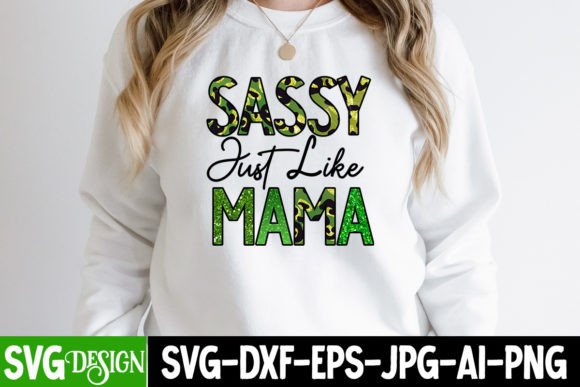
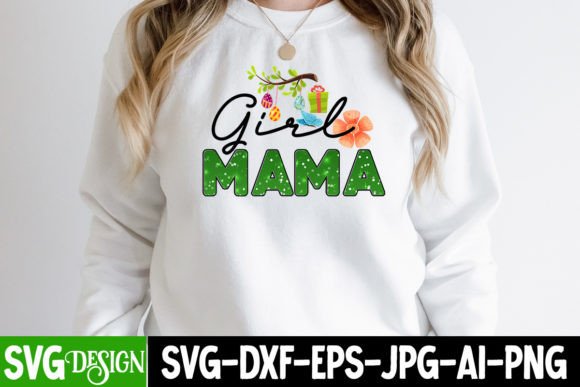
The immediate mood of Girl Mama Sublimation Design is warm, approachable, and slightly playful. The retro styling suggests a mid-century modern influence, which tends to age well in fashion and home decor. Unlike some designs that rely heavily on tiny, intricate details that get lost in thread, this layout appears to have a strong silhouette. For an embroiderer, a strong silhouette is everything. If you squint at your hoop from three feet away, can you still read the message and recognize the theme? With this design, the answer is a confident yes.
The visual personality leans toward "cozy chic." It doesn’t scream for attention; it invites a closer look. This makes it incredibly versatile. It isn’t limited to just one type of product. While many designers pigeonhole their assets into single categories, this file has the structural integrity to work across a wide spectrum of custom apparel and home goods. It feels like a design that belongs in a boutique shop window, sitting next to artisanal soaps and hand-poured candles.
Real-World Application: The Tote Bag Test
To truly judge an embroidery file, you have to imagine it on fabric. Let’s talk about a real-life scenario: preparing a batch of custom embroidered tote bags for a local craft fair or an Etsy listing. These are high-volume items where consistency and speed matter. I ran a mental simulation of stitching Girl Mama Sublimation Design onto a heavy canvas tote.
The retro elements likely lend themselves well to standard machine embroidery design techniques. If the design utilizes a mix of satin stitch for outlines and fill stitch for background blocks, it should pop beautifully against a natural linen or a bold primary color canvas. The key here is contrast. A retro design thrives when the thread colors complement the fabric texture. On a light-colored bag, using muted pastel threads could enhance the vintage feel, while dark threads on a black bag might offer a sleek, modern twist.
However, the real test is the text. If the design includes quotes like "Blessed Mama" or "Mom Life," legibility is paramount. In my experience, small script fonts are the enemy of durability. If the lettering in this bundle is too thin, it will fray after a few washes. Assuming the digitization accounts for proper spacing, this design would make a fantastic personalized gift. Imagine a mother receiving a tote bag that not only holds her groceries but also celebrates her identity in a stylish, non-cliché way. That emotional connection drives sales and builds brand loyalty.
Performance on Different Fabrics and Garments
While the tote bag is a great starting point, Girl Mama Sublimation Design has potential in other areas. Let’s consider sweatshirt embroidery. Hoodies and crewnecks are staples in the handmade apparel market. The soft, brushed interior of a sweatshirt provides a stable base for stitching, provided you use the correct stabilizer. This design’s retro vibe pairs perfectly with heather grey or oatmeal-colored fleece. It feels timeless, like something you’d see in a 1970s coffee shop advertisement.
For baby embroidery, the stakes are higher because the garments are smaller and the fabrics are more delicate. If the design includes smaller elements suitable for onesies or burp cloths, it could be a hit. Parents love personalized baby gifts, and a subtle retro motif on a white cotton onesie exudes a sense of curated taste. However, you must be careful with scale. What looks balanced on a large print might look cluttered on a tiny chest area. Always downsize your mockups to see how the negative space behaves.
Another interesting application is kitchen towel or tea towel embroidery. These items are practical, frequently washed, and often given as housewarming gifts. The durability of the stitches needs to withstand hot water and detergent. Designs with dense fill stitch areas can sometimes trap lint or become stiff over time. If Girl Mama Sublimation Design relies heavily on open, airy layouts with running stitches or sparse fills, it would perform exceptionally well here, maintaining a soft hand-feel even after months of use.
Where to Exercise Caution
No design is perfect for every situation, and as a reviewer, I need to highlight where this file might struggle. First, avoid using this on highly textured fabrics like chunky knits or bouclé wool unless you are extremely experienced. The needle penetration issues alone are enough to ruin a project. Similarly, stretchy fabrics require a heavy-duty cut-away stabilizer and a careful hooping technique to prevent distortion. If the design has straight lines, they will curve if the fabric stretches during stitching.
Small hoop sizes are another pitfall. If you are attempting to fit this design into a 4x4 inch hoop, pay close attention to the fine details. Tiny decorative accents or thin line work may merge together, losing their definition. It is always better to undersize the design digitally before stitching than to risk a tangled mess of thread. Additionally, if you plan to sell these items commercially, remember that dark fabrics can hide lighter thread colors. Always test your thread colors on the actual fabric you intend to use. A white satin stitch on a navy blue shirt looks sharp; on a black shirt, it might look grayish and dull depending on the thread sheen.
Practical Designer Notes for Success
Before you commit this design to production, follow these steps to ensure professional results:
- Test on Scrap Fabric: Never stitch directly onto your final product without a test run. This allows you to adjust tension and check for puckering.
- Check Stitch Density: Look at the digital preview. Are there areas where the stitches are too close together? Excessive density can cause the fabric to pucker or the needle to break.
- Review Small Details: Zoom in on the text and small icons. Can they be distinguished individually? If not, simplify the design or increase the size.
- Black and White Mockup: View your design in grayscale. This helps you assess contrast and balance without being distracted by color choices.
- Confirm Licensing: Since this is a digital asset, verify the license terms. Can you sell finished products? Is there a limit on the number of units? Clear licensing prevents legal headaches later.
- Use Proper Stabilizer: Match the stabilizer to the fabric weight. Light fabrics need lightweight stabilizers; heavy fabrics need robust support.
Final Verdict
Girl Mama Sublimation Design is a solid addition to any designer’s library. It captures a popular aesthetic with the technical consideration needed for successful embroidery. Whether you are an Etsy seller looking to expand your Mother’s Day collection, a small shop owner creating branded merchandise, or a hobbyist making a heartfelt gift, this design offers flexibility and charm. It respects the medium of embroidery while delivering a modern, retro-inspired look that customers appreciate. Just remember: the best embroidery starts with good planning. Test thoroughly, choose your materials wisely, and let the design speak for itself.