We Hope You Brought Treats SVG: A Designer’s Review
As an embroidery designer who spends hours evaluating digital assets before they ever hit the hoop, I look for more than just a cute image. I look for structural integrity, stitch efficiency, and market viability. When I first pulled up We Hope You Brought Treats SVG, my initial reaction was one of cautious optimism. It is a dog mom SVG that promises to be great for t-shirts, wood signs, or stickers, but as someone who works with fabric, thread, and tension, I need to know how it translates from a flat vector into a textured, tactile finished product.
This review is not just about whether the design looks good on a screen. It is about whether it holds up under the needle, how it performs in real-world scenarios like custom apparel or boutique merchandise, and what kind of value it brings to a craft business or personal gift project.
First Impressions and Visual Personality
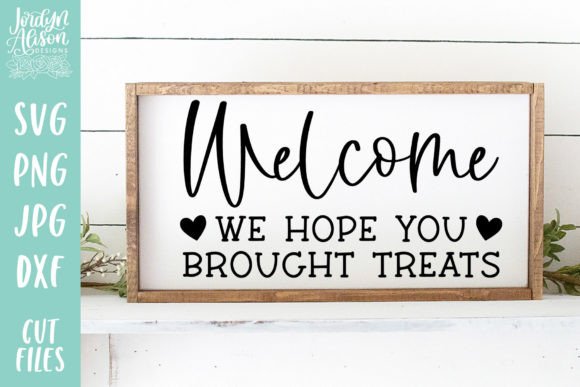
The phrase "We Hope You Brought Treats" immediately sets a playful, lighthearted tone. In the world of handmade products, personality is everything. This design does not feel stiff or overly formal; it feels approachable and fun. For a machine embroidery design, this is crucial because the mood needs to translate through texture and thread choice.
Visually, the layout appears balanced, likely centering the text with perhaps a complementary graphic element—common in dog-themed designs. The visual personality suggests a casual, friendly vibe. It screams comfort. It feels like something you would wear on a weekend morning while walking your dog, or something you would display in a cozy home setting. This natural alignment with leisure and pet love makes it a strong candidate for specific niches within the Crafts category.
Real-World Application: From Screen to Stitch
Let’s imagine a practical scenario. You are preparing a batch of custom embroidered tote bags for a local craft fair. You want something that resonates with dog lovers without being too cliché. You choose We Hope You Brought Treats SVG. Here is how it plays out in reality.
When digitized correctly, the text elements will likely rely on a combination of satin stitch for clean edges and fill stitch if there are any graphical components like paw prints or treat bones. The clarity of the lettering is paramount. If the curves of the letters are too tight, they might pucker on lightweight cotton canvas. However, for a sturdy tote bag, this design should hold its shape beautifully. The contrast between the thread colors and the bag fabric will define the final aesthetic. On a neutral beige or denim blue tote, the design pops, creating a high-quality handmade product that customers trust.
Beyond totes, consider sweatshirt embroidery. A soft, fleece-lined hoodie is a perfect vessel for this message. The plush texture of the sweatshirt complements the playful nature of the design. When stitched onto the chest or back, it adds a layer of warmth and personality. It transforms a basic garment into a statement piece. For Etsy sellers, this versatility is key. The same digital asset can be adapted for custom apparel, baby onesies (with appropriate font scaling), or even kitchen towels, broadening your product range without needing to create new designs from scratch.
Where Caution Is Required
No design is flawless, and We Hope You Brought Treats SVG has areas where a designer must exercise judgment. Not every surface is created equal.
First, avoid placing this on small hoop sizes unless you have simplified the digitization. Tiny details can get lost or cause thread breaks if the stitch density is too high for the available space. Second, be wary of textured fabrics. While a burlap tote might look rustic, the uneven surface can distort the satin stitch lines, making the text harder to read. Thin fabrics require a heavy-duty stabilizer to prevent puckering, which can add bulk and change the drape of the final item.
Stretchy fabrics, such as those used in athletic wear or fitted caps, present another challenge. The tension from the stitching can cause the fabric to warp over time. If you are working on embroidered patches for caps, ensure the design is trimmed and backed correctly to maintain rigidity. Additionally, dark fabrics demand careful thread selection. Light threads may require multiple passes or a contrasting backing to achieve opacity, which increases production time and cost.
Impact on Product Value and Brand Consistency
Using a well-executed design like this elevates the perceived value of your work. Customers associate clean stitches and clear imagery with professionalism. When a buyer sees We Hope You Brought Treats SVG stitched neatly on a personalized gift, they perceive care and attention to detail. This builds brand consistency, especially if you use similar playful yet clean designs across your shop.
For commercial embroidery projects, this design offers high recognition. Dog owners are a passionate demographic. A design that speaks directly to their identity—"I am a dog mom"—creates an emotional connection. This engagement drives sales, whether it is for a small shop product or a holiday gift. The design’s simplicity ensures it remains timeless, avoiding the trap of trendy fonts that might date quickly.
Practical Notes for Embroidery Designers
Before committing to a full production run, follow these essential steps:
- Test on Scrap Fabric: Always stitch a sample on the actual fabric you plan to use. This reveals issues with thread tension, stabilizer adhesion, and color contrast that simulations cannot show.
- Check Thread Color Contrast: Ensure the chosen thread colors stand out against the background fabric. Low contrast can make the design look muddy or unfinished.
- Review Stitch Density: High density saves time but can make fabric stiff. Low density saves thread but may look sparse. Find the balance that suits the end-use of the product.
- Confirm Hoop Size: Verify that the design fits within your standard hooping area. If it is too large, you may need to split the design or use a larger machine.
- Inspect Small Details: Zoom in on the digitized file. Are there tiny elements that might not stitch well? Simplify if necessary.
- Test in Black and White: Convert the design to grayscale to check for visual balance and hierarchy. This helps identify if certain parts of the design overpower others.
- Compare Light and Dark Backgrounds: A design that works on white might fail on black. Test both to ensure versatility.
- Use Proper Stabilizer: The right stabilizer is invisible but critical. Without it, even the best design will fail.
- Check Licensing: Before selling finished items, confirm the license terms. Some files are for personal use only, while others allow commercial sale of the physical product. This is vital for Etsy sellers and craft business owners.
Final Verdict
We Hope You Brought Treats SVG is a solid addition to any digital embroidery file library. Its strength lies in its relatable theme and adaptable layout. It works exceptionally well for tote bag design projects, baby embroidery gifts, and holiday embroidery collections. By understanding its limitations regarding fabric type and hoop size, designers can leverage its charm to create professional, high-value products.
Whether you are a seasoned pro looking to expand your design assets or a hobbyist wanting to create a unique embroidery project, this file offers a reliable foundation. Just remember: the magic happens in the execution. Take your time with the setup, choose your materials wisely, and let the quality of your stitching speak for itself. For those in the Graphics and Crafts spaces, this is a tool that, when used correctly, delivers both aesthetic appeal and commercial potential.